
Wildflower landscaping
- Andy Northcott2

- Mar 3, 2016
- 2 min read
Updated: May 28
Wildflower landscaping
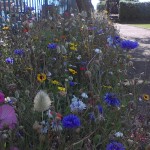
Wildflower landscaping ideas
Outside of gardens and wild areas there is an increasing use of wildflowers to landscape urban and suburban areas. Wildflowers provide a cost effective alternative to bedding plants and can be used to landscape parks, road verges, roundabouts, golf courses and green roofs. Mixtures often contain a blend of native and non-native species such as Californian Poppy. The introduction of any non-natives should always be done with care and consideration so as not to affect any wild plant populations. However when used properly their use can have benefits such as a much longer flowering season.
Annual wildflower mixtures
Annual wildflowers are quick and easy to grow and provide the greatest impact in terms of instant colour and a long flowering season. They grow best on sunny sites, with free-draining soil and will usually grow well on rich soils. Annual mixtures should always be sown on to carefully prepared bare soil and will normally need to be re-sown in spring or autumn to provide successive flowering in subsequent years.
Wildflowers in park setting
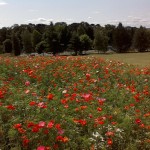
Mixture of annual meadow seeds including Poppies
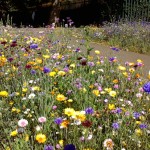
Urban wildflowers in park
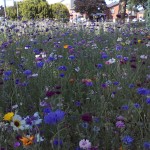
Wildflowers on road roundabout
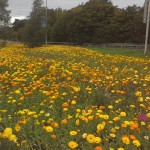
Roadside Wildflowers
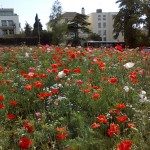
Poppy wildflower mix
Perennial wildflower mixtures
Perennial wildflowers provide a more permanent landscaping solution and mixtures can be tailored to different habitats such as shady sites and different soils. These mixtures will take longer to establish and normally only work well on poor, low fertility soils.
Ordering mixtures for wildflower landscaping.
Here at Yellow Flag Wildflowers, we provided tailored solutions for all your wildflower landscaping needs. We offer a full range of Native wildflower mixtures. These contain only British native species and are best suited for landscaping areas in the wider countryside or wherever wild plant populations exist nearby. They are also regarded as more beneficial for native wildlife.


Comments