
Wildflowers for Shade
- Andy Northcott2

- Aug 26, 2015
- 3 min read
Updated: Jun 3
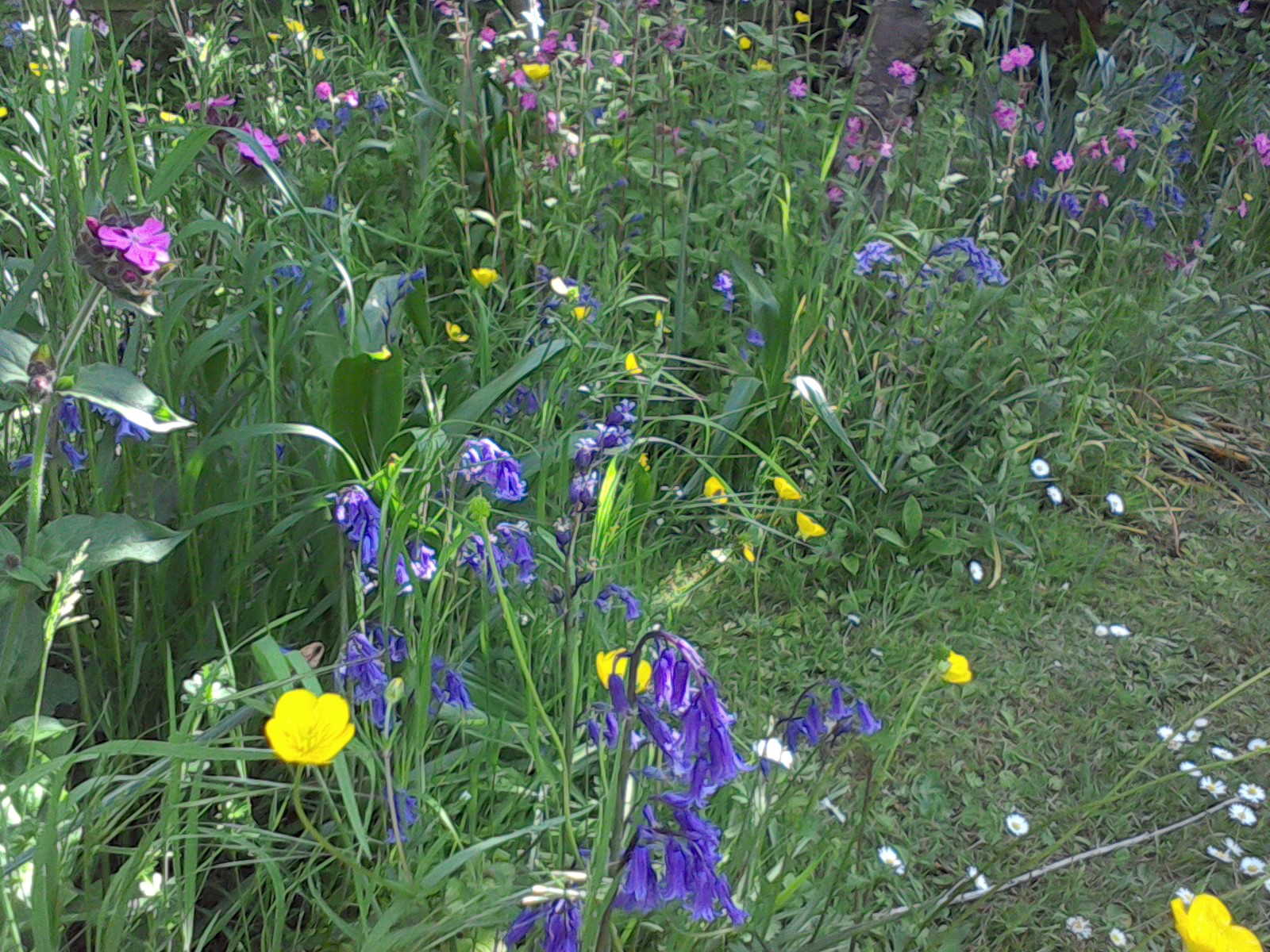
Generally speaking there are many wildflowers for shade but few that will grow well where conditions are extremely dark . This is evident in woodland glades and clearings, where there is often a much more diverse range of flora than in darker areas of the same wood, shaded by a broad tree canopy.
To encourage the establishment of wildflowers in existing woodlands it may only be necessary to create open areas by thinning the tree canopy or creating clear felled areas. If there is already a good seed bank of wildflowers in the soil from past years then this method can be very successful.
Areas of semi or dappled shade typically include woodland edges and clearings, hedgerows and orchards. In gardens, dappled shade is often found under small trees and alongside north and east facing hedges, walls and fences. All of these situations afford a perfect opportunity to establish wildflowers for shade.
Establishing wildflowers for shade
Wildflowers can be established in shade using several different methods either as using seed, bulbs or plug plants.
Meadow mix for shade
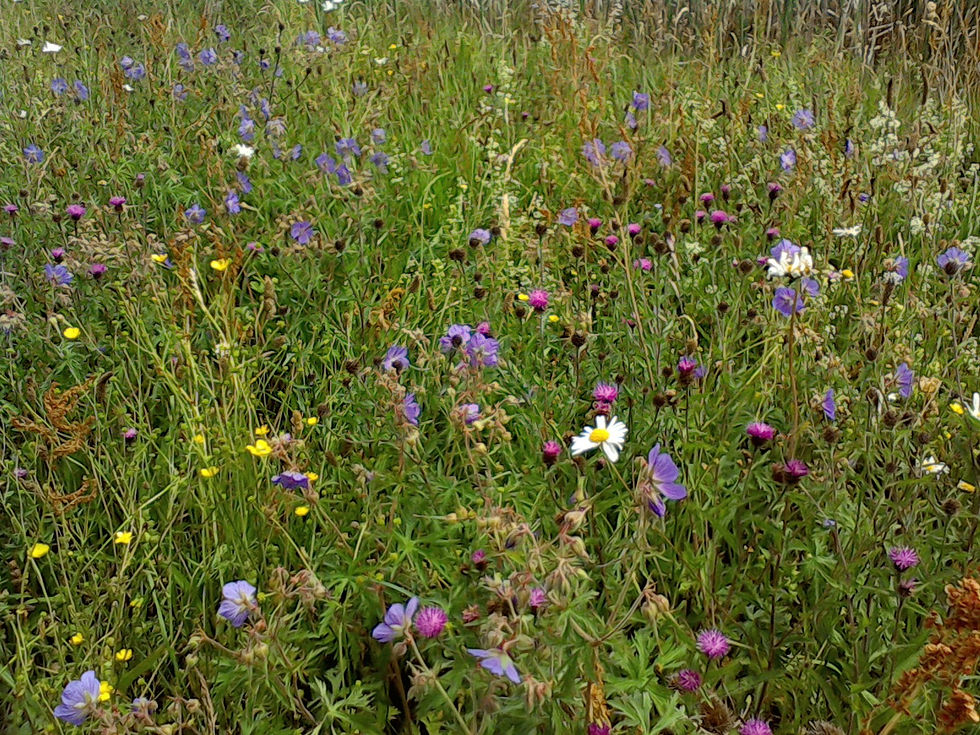
Wildflower Meadow mixes normally contain a blend of wildflower seeds and meadow grasses. If the shaded area to be sown also receives a good degree of sun during the day, then a mixture that includes native meadow grasses may well be best. These mixtures will contain a wide range of pre-mixed native wildflowers for shade as well as suitable meadow grasses.
Wildflower mix for shade
It is normally difficult to establish grasses in areas that receive very little sunlight and so a 100% Wildflower mix for shade without any meadow grasses maybe more suitable for such areas. If you are sowing an area that receives little sunlight or where you expect the level of shade to increase, for example under a newly planted tree or plantation, then consider the use of a 100% Wildflower mix for shade.
Individual wildflower seeds for shade
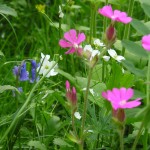
It is also possible to buy individually wildflower seeds for shade. This enables more selective planting and also the possibility to grow certain species alongside one another that have similar flowering times and look stunning when seen together for example Red Camion, Bluebell and Greater Stitchwort.
The list below includes a few examples of some wildflower seeds for shade.
For a more ideas please visit our website and type the word “shade” into the product word search box near the top left of the screen.
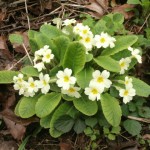
Black Knapweed Bluebell Common St John’s Wort Hedge Garlic Meadow-Sweet Nettle Leaved Bellflower Primrose Ragged Robin Red Campion Self Heal Tufted Vetch White Campion Wild Foxglove Wood Avens Yarrow
Wildflower Plug Plants for shade
Wildflower Plant plugs may be more suitable for smaller areas (typically less than 25 sq. metres) or where soil fertility is high with potential competition from other plants and weeds. Plugs are slightly more costly than seed, but have the advantage of being quicker to establish and can be somewhat more reliable in areas of high fertility with competition from other plants.
Wildflower Bulbs for shade
Wildflower bulbs for shade are also ideal for smaller areas and if planted correctly are normally very easy to establish. Bluebell, Snowdrops Wood anemones and Winter aconites are all ideal for planting woodland areas under the shade of trees and hedges whilst Wild daffodil bulbs are perfect for planting into meadow grass in shaded orchards and spring meadows.
Bulbs can be purchased all year either individually or as wildflower bulb collections and are dispatched in October.
Establishing wildflowers in deep shade
If it is necessary to sow an area of deep shade then it is best to avoid the use of meadow grass and choose species selectively that are know to grow well in dark areas. The list below includes a few examples of some wildflowers for full shade.
Primrose Red Campion Wood anemone Columbine Foxglove English Bluebell Wild Garlic Snowdrop Nettle leaved Bellflower


Comments